
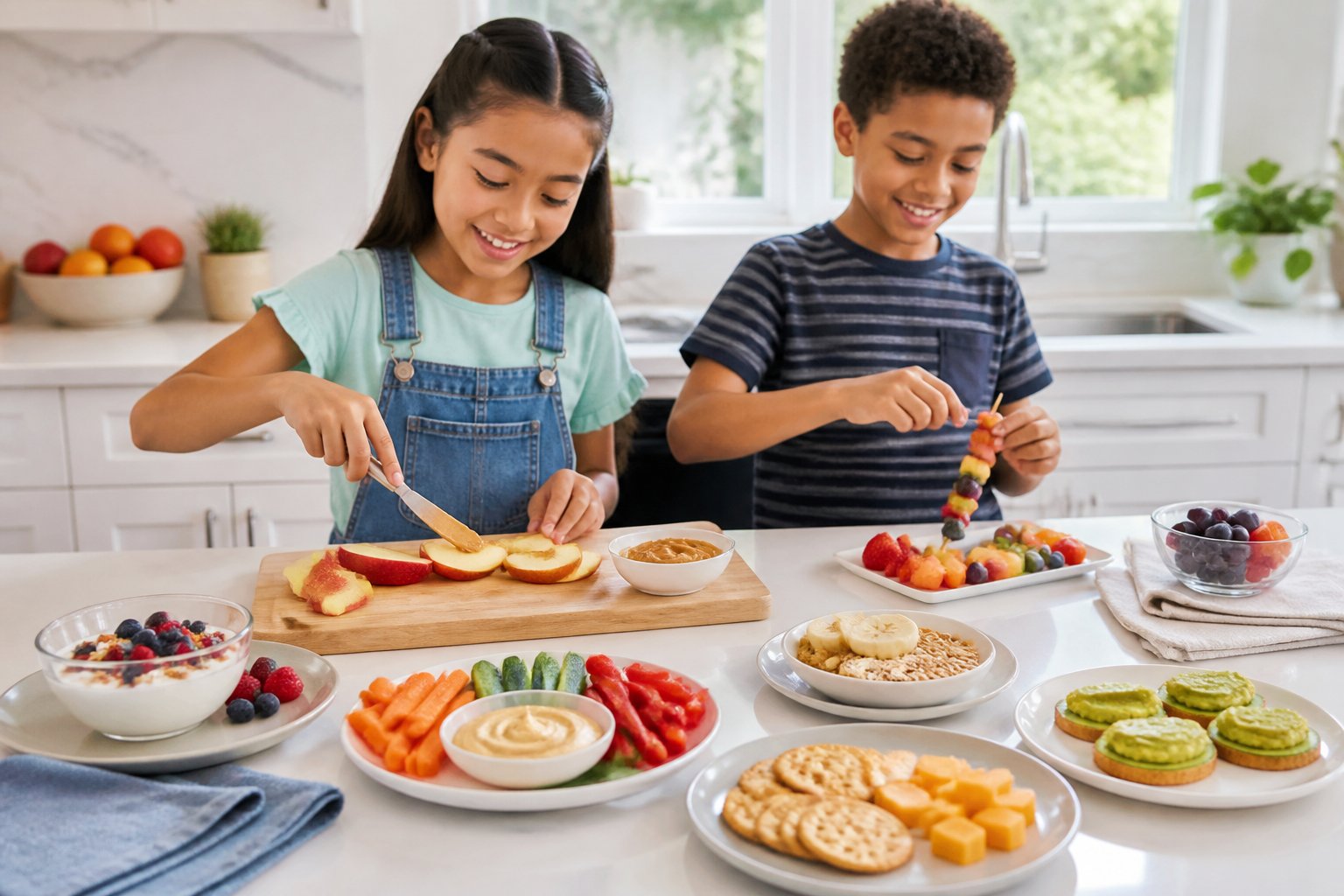
Getting kids involved in making their own snacks is a surprisingly fun way to build basic kitchen skills—and it might even encourage them to eat better (or at least try something new). With a few simple ingredients and tasks matched to their age, snack prep can fit right into the day without much fuss.
Here are seven healthy snack ideas that let kids practice independence while mixing and matching good-for-you ingredients they actually want to eat. You’ll find no-cook options, easy assembly ideas, and recipes that support balanced habits with a little adult backup when needed.
1) Greek yogurt berry parfaits
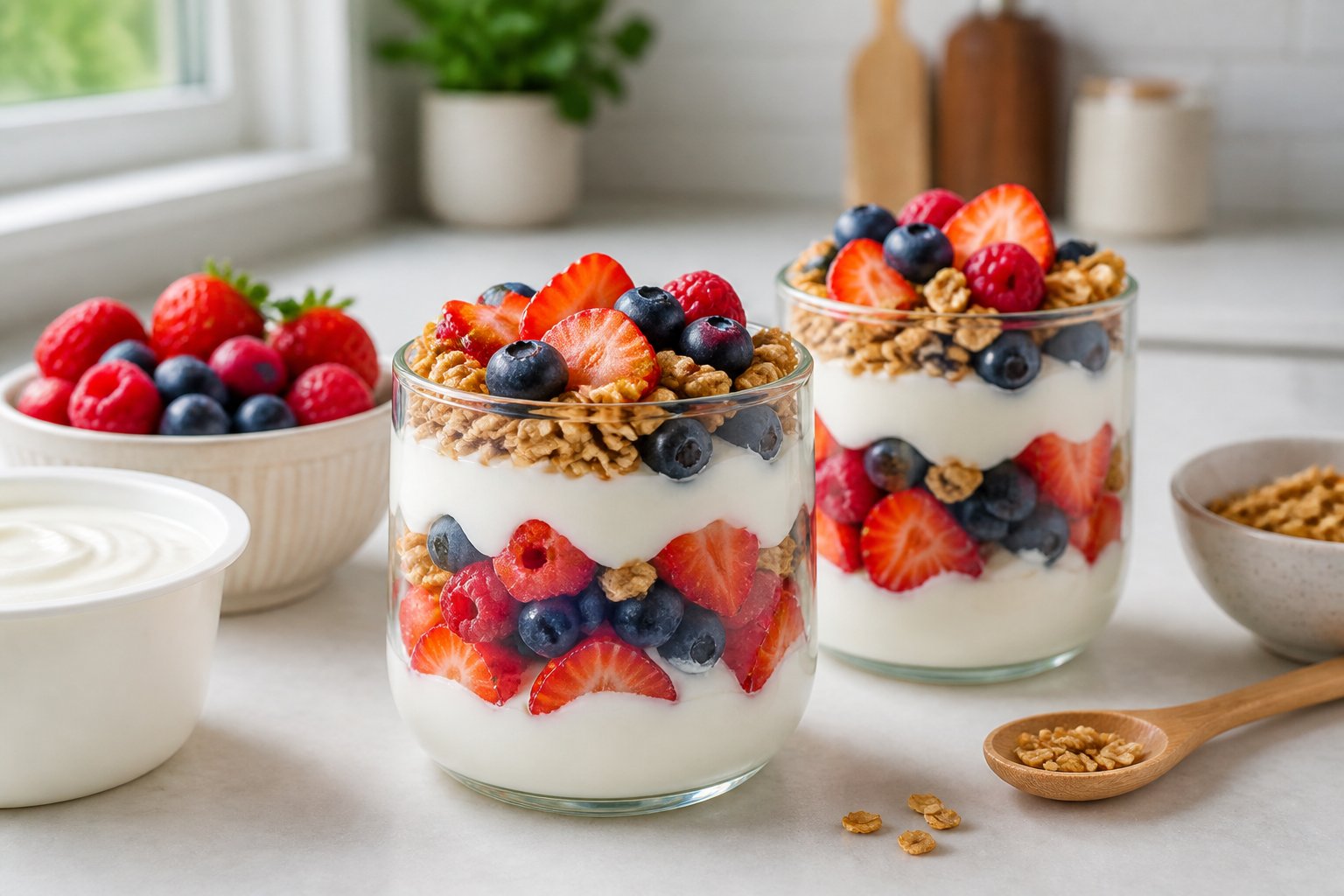
Greek yogurt berry parfaits are a no-cook snack that most kids can put together on their own. Just layer plain or lightly sweetened Greek yogurt with washed berries and a bit of granola in a clear cup or bowl.
Adults should handle any fruit that needs cutting, but kids can do the fun part: spooning in yogurt, dropping in berries such as strawberries, raspberries, blueberries, blackberries, whatever’s on hand and repeating the layers until the cup’s full.
Greek yogurt brings protein and calcium, berries add color, flavor, and fiber, and granola gives some crunch. Just keep the granola portion moderate as some kinds are loaded with sugar.
If they want to mix things up, try sliced bananas, mandarin oranges, chopped peaches, or even a handful of crushed whole-grain cereal. For crunchy granola, add it right before eating.
2) Apple slices with peanut butter
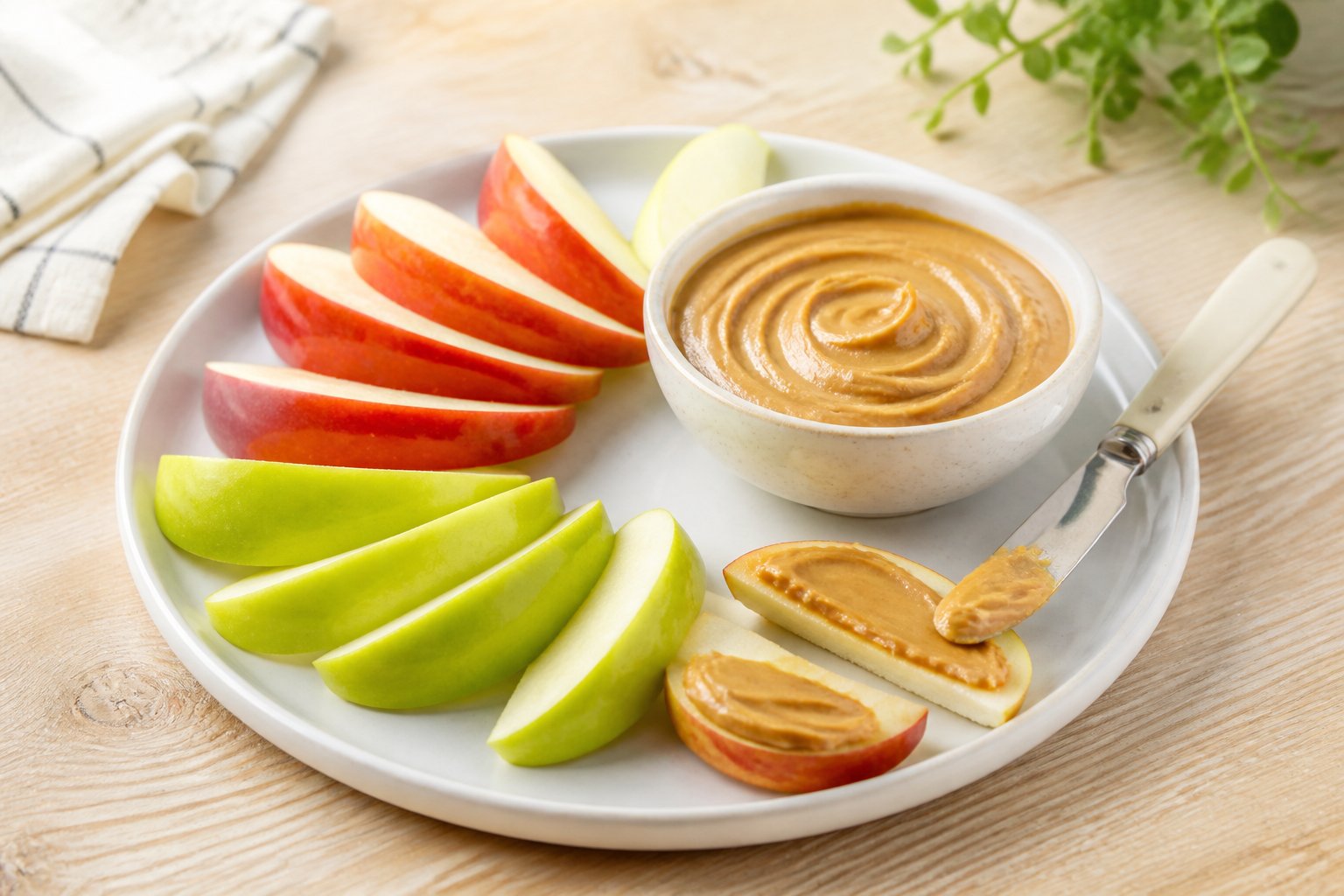
Apple slices with peanut butter: classic, right? Kids can usually handle this one with just a bit of help. Apples bring fiber and sweetness, and peanut butter adds protein and healthy fat, which makes the snack a little more satisfying.
An adult should wash and core the apple first. After that, kids can slice it up with a safe knife and either spread peanut butter on each slice or just dip them in.
For a twist, sprinkle on some granola, cinnamon, or unsweetened coconut. A few chocolate chips are fun now and then, but just a small amount keeps it lower in added sugar.
Peanut butter can be messy, so check for allergies before sharing. If the apple slices are going to sit out, a little lemon juice helps keep them from turning brown.
3) Banana oat energy balls
Banana oat energy balls are a no-bake snack that’s pretty forgiving. With some guidance, kids can mash, stir, and roll these with just a bowl and a spoon. Adults should help with measuring and anything involving a food processor, if you use one.
Mash one ripe banana, then stir in 1 cup rolled oats, 2 tablespoons peanut or sunflower seed butter, and a pinch of cinnamon. If it’s soupy, add more oats; if it’s dry, a little more nut butter does the trick.
Chill the mixture about 20 minutes, then roll into balls with clean hands. Pop them in the fridge until they firm up.
If allergies aren’t a concern, toss in some shredded coconut, chia seeds, or chopped nuts. Keep the energy balls in a sealed container in the fridge and eat them within a few days—they don’t last forever.
4) No-cook hummus and vegetable cups
These snack cups are about as simple as it gets, no stove, no oven, just hummus and fresh veggies. Adults can wash the produce; kids scoop hummus into little cups and arrange the vegetables however they like.
Examples are carrots, cucumbers, bell peppers, snap peas, cherry tomatoes. Soft veggies can be cut by kids with a safe knife, or adults can prep them ahead of time.
Put hummus in the bottom of each cup, then stand the veggie sticks upright. These are great for lunches or picnics, and the individual portions make things easy.
Let kids try different hummus flavors or swap in whatever veggies are in season. Just keep everything in the fridge until serving, and remind kids to use clean hands and utensils.
5) Whole-grain tortilla pinwheels
Whole-grain tortilla pinwheels are a fun, hands-on snack. Spread hummus or mashed chickpeas over a soft tortilla, then add sliced veggies—cucumber, bell pepper, carrot, whatever’s around.
Adults can help with picking a soft tortilla and making sure the filling is spread evenly (leave a border at the edges). Roll it up tight, chill for a few if needed, then slice into bite-sized rounds with a safe knife.
The filling should be thick enough to stay put. Want more protein? Add shredded chicken, beans, cheese, or sliced avocado. Kids can mix and match to make their own combos.
6) Homemade yogurt bark with fruit
Homemade yogurt bark is a freezer snack that’s fun to make and kind of pretty, honestly. Adults should handle the baking sheet and freezer part, but kids can spread the yogurt and decorate with toppings.
Use plain or lightly sweetened yogurt; if it’s a little too tart, stir in honey or maple syrup (but skip honey for kids under one). Top with fresh berries, banana slices, peaches, or mango for color and sweetness.
Spread the yogurt on a parchment-lined baking sheet, scatter the fruit, and add seeds, chopped nuts, or a bit of granola if you like and allergies allow.
Freeze for three to four hours until solid. An adult can break it into pieces, and keep them in an airtight container in the freezer—this stuff melts fast at room temp.
7) Ants on a log with celery and raisins
Ants on a log: celery, peanut butter, and raisins. It’s quick, no-cook, and even little kids can help. Wash and cut the celery (with a grown-up nearby), then spread in the peanut butter.
Line up the raisins along the top for “ants.” It’s a silly little snack, but it helps kids practice spreading and following simple steps. Following directions counts as a kitchen skill too.
Need a nut-free version? Sunflower seed butter works, or try cream cheese or hummus even though the taste is a bit different.
Adults should check for allergies and supervise any cutting. For tiny kids, cut raisins in half to help prevent choking, and always serve snacks while they’re sitting down.
Kitchen Safety And Age-Appropriate Independence
Kids get more comfortable in the kitchen when adults set clear safety rules and match jobs to their skills. Supervision, handwashing, allergy checks, and careful use of tools help them build confidence without taking silly risks.
Adult Supervision Guidelines
Stay close when kids use knives, peelers, graters, or anything hot or sharp. Little ones can wash produce, measure, stir, spread, and put snacks together while you handle the tricky stuff. As they get older and show they can be careful, you can hand over more of the steps.
Before starting, have them wash hands with soap, clean the counter, and check ingredient labels for allergies. Keep raw eggs, meat, and unwashed produce away from ready-to-eat foods. Double-check that snacks with dairy or anything perishable don’t sit out for more than two hours.
Clear rules are better than vague warnings. Remind kids to walk in the kitchen, turn pot handles in, wipe spills, and ask before using something new or unfamiliar.
Safe Tool And Appliance Skills
Start with tools that don’t need much force—measuring cups, mixing bowls, a butter knife, and a veggie peeler (with help). Older kids can try a child-sized knife and learn the claw grip which are fingertips curled under while the other hand holds the food steady.
Appliances have their own rules. Microwaves are okay for older kids if you show them how to pick safe containers and avoid steam burns. Adults should handle ovens, stovetops, kettles, and sharp blades until kids really know the ropes. No metal in the microwave, no touching hot surfaces, and no carrying hot liquids—those are non-negotiable.
Generally, kids can work up to more independence:
- Young children: wash, pour, stir, spread, and assemble.
- School-age children: measure, peel, cut soft foods, and use a toaster with supervision.
- Older children: follow a recipe, use some appliances, and clean up on their own.
Building Balanced Snack Habits
Healthier snack routines are easier when kids pair filling foods, keep portions reasonable, and can grab ingredients on their own. Simple prep helps them learn to make good choices and do things for themselves.
Combining Protein, Fiber, And Produce
A balanced snack usually means some protein, fiber-rich carbs, and fruit or veggies. Protein from yogurt, cheese, eggs, beans, hummus, or seed butter helps keep kids full. Fiber from oats, whole-grain crackers, toast, or popcorn adds crunch and keeps things regular.
Some easy combos:
- Apple slices with seed butter
- Plain or lightly sweetened yogurt with berries and oats
- Whole-grain crackers with cheese and cucumber
- Carrot sticks with hummus
- A banana with a hard-boiled egg
Adults should always consider allergies and choking hazards. Pre-cut produce, spread seed butter thinly, and keep an eye on younger kids in the kitchen just in case.
Portioning And Storing Snacks
Kids can pick up on portions by using a small bowl, container, or plate, which is way better than just grabbing handfuls straight from a big bag. For a snack, maybe toss in a piece of fruit, a few whole-grain crackers, and some cheese cubes. The amount? Honestly, it depends on the kid and how hungry they are, how old, and how long until dinner. No one-size-fits-all here.
See-through storage helps a lot. If adults keep things like washed grapes, cut-up veggies, yogurt cups, and cheese in clear, labeled fridge containers, kids are way more likely to grab them. Shelf-stable stuff such as oats, whole-grain crackers, unsweetened applesauce, can just go in a bin down low where kids can reach. Makes life easier, right?
Remind kids to wash their hands, grab tools that fit their age, and pop perishable foods back in the fridge quickly. Fresh-cut produce should stay chilled, and honestly, it’s worth a second to check expiration dates before serving. Better safe than sorry.