
Table of Contents
On a hot, humid Singapore afternoon, few drinks beat a cold glass of fruit tea. It is bright, fragrant and packed with real fruit, and it feels lighter than a milk tea. But with new bubble tea outlets, specialty tea houses and café menus opening all the time, finding the best fruit tea in Singapore can feel overwhelming.
This guide explains what fruit tea actually is, what separates a great cup from an average one, and which styles to look for. It also covers how to find fruit tea near me when you want a drink in the next ten minutes, how to keep the sugar in check, and how to make a good version at home.
What Is the Best Fruit Tea in Singapore?
The best fruit tea in Singapore is one made with real fruit and freshly brewed tea, with a sugar level you can adjust. Chain outlets, specialty tea houses and home-brewed blends can all deliver it. Which one is best depends on whether you want a quick takeaway, a premium sit-down cup or a caffeine-free option.
That is deliberately not a single brand name. Menus, prices and outlet locations change often, and taste is personal. Instead of crowning one winner, the sections below give you a framework you can apply to any shop.
What Exactly Is Fruit Tea?
Fruit tea is a drink that combines tea with fruit flavour. In Singapore the term covers two quite different things.
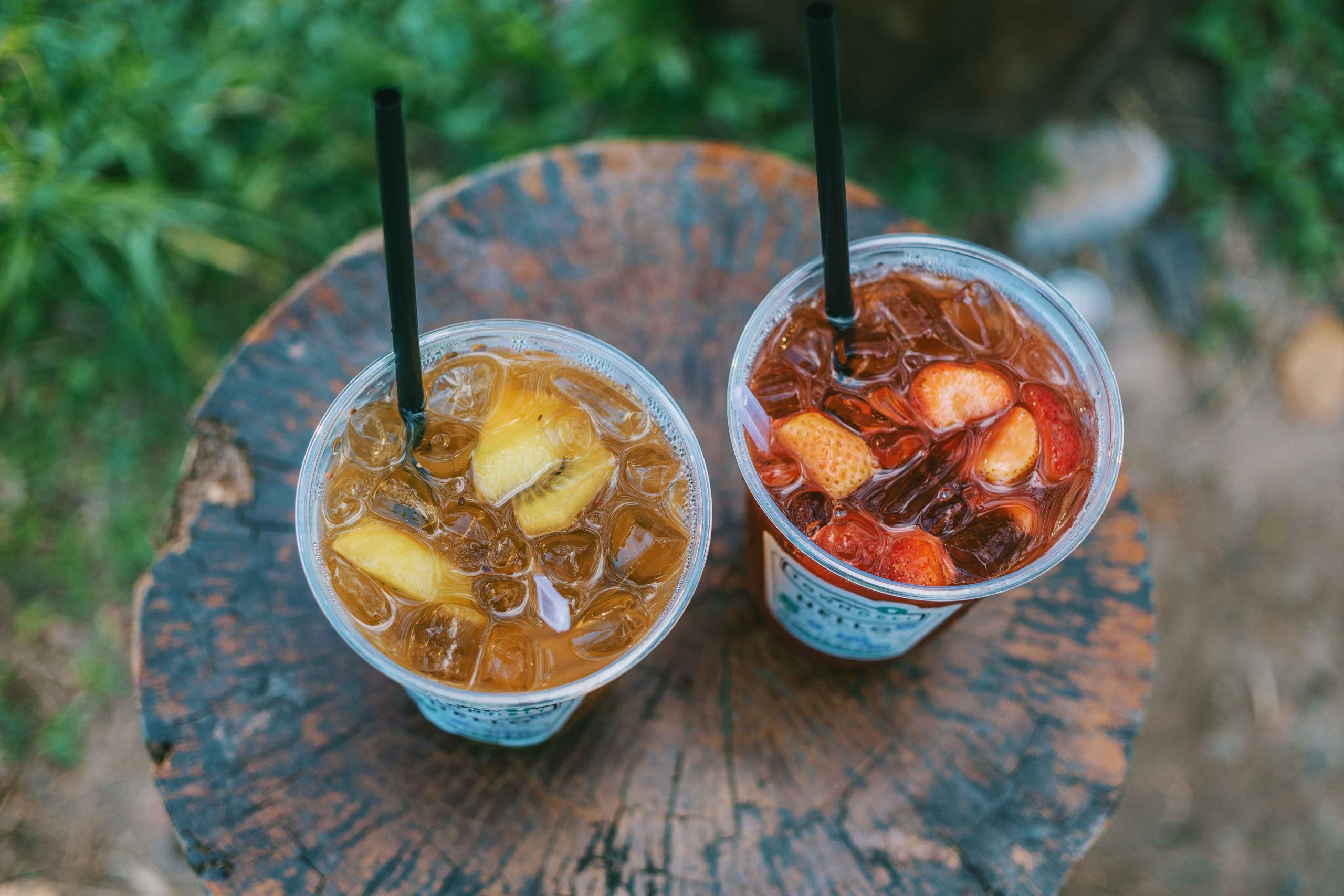
1. Fresh fruit tea from a drink shop. This is the colourful cup filled with hand-cut orange, kiwi, mango, strawberry or passion fruit floating in freshly brewed tea, usually served cold. Some shops blend fruit purée into the tea instead.
2. Dried fruit infusions and tisanes. These are tea bags or loose blends made from dried fruit, flowers and herbs. Many of these fruit infusions are caffeine-free and taste just as good iced as they do hot. Some fruit teas use real tea leaves such as green, black, white or oolong as a base, while others are purely herbal. The category is broad, covering blends of dried fruit, herbs and spices, sometimes with actual tea leaves.
Knowing which style you want is the first step to finding the right cup.
Why Fruit Tea Suits Singapore So Well
Fruit tea has a natural home in Singapore for three reasons.
- The climate. Cold, fruity drinks are refreshing in year-round heat, and fruit tea feels less heavy than creamy drinks.
- Our tea culture. Singapore already loves tea, from kopi-tiam teh to Chinese teahouses and modern bubble tea, so tea-based drinks are an easy sell.
- The perception of lightness. Many people see fruit tea as a lighter alternative to milk tea. That can be true, but the sugar level still matters, as we explain below.
What Makes the Best Fruit Tea? Six Things to Look For
Whether you are standing at a bubble tea counter or browsing an online menu, these six markers separate a good fruit tea from a forgettable one.
- Real fruit, visibly fresh. Look for hand-cut slices or chunks rather than only syrup or flavouring. Fresh fruit should look bright, not dull or soft.
- A tea base with character. The tea should be noticeable and fragrant, not lost behind sweetness. Black and four-seasons oolong bases often pair well with fruit because a little natural bitterness balances the sweetness. Green tea and lighter oolongs suit delicate fruits like peach and lychee.
- Balanced sweetness. A good cup lets the fruit’s own tartness and sweetness come through. If it tastes like sugar water first, that is a red flag.
- Adjustable sugar levels. The ability to choose your sweetness is a mark of a shop that cares about the drink, and it gives you control over what you consume.
- Freshness and turnover. A busy shop refreshes its fruit and tea more often. Freshly brewed tea also tastes cleaner than tea that has been sitting for hours.
- Transparent nutrition information. Menus that show sugar levels or Nutri-Grade ratings, covered below, make it easier to choose well.
Types of Fruit Tea You’ll Find in Singapore
| Style | What it is | Best for | Typical price* |
|---|---|---|---|
| Fresh fruit tea | Brewed tea with hand-cut fruit chunks | Thirst-quenching, sharing, photos | Roughly S$5–S$8 |
| Fruit purée tea | Tea blended with fruit purée, e.g. peach oolong | A smoother, more fragrant sip | Roughly S$5–S$7 |
| Fruit-scented oolong | Tea leaves naturally scented with fruit, e.g. lychee or grape oolong | Tea lovers who want to sip slowly | From around S$10 at specialist tea houses |
| Fruit tea with cheese foam | Fruit tea or fruit-flavoured tea topped with a salty-sweet cream layer | An indulgent treat | Usually a little higher |
| Dried fruit tisane | Caffeine-free dried fruit and herb blends | Evenings, home brewing, gifting | Varies by pack size |
*Indicative only, based on recent Singapore listings and reviews. Prices vary by outlet and size, so check the current menu.
For context, one 2026 roundup noted that bubble tea in Singapore usually costs between SGD 3 and SGD 7 depending on brand and toppings. Premium fruit teas from specialist shops tend to sit above that range. One recent guide lists naturally scented oolongs such as lychee and Kyoho grape at about S$10 each.
Where to Try Fruit Tea in Singapore
Rather than a rigid ranking, here are the main places people go, so you can match the venue to your mood.
1. Bubble tea chains with fruit tea menus
Most large Singapore chains carry a fruit tea section alongside their milk teas. Names that appear regularly in 2026 roundups include LiHO, KOI Thé, Gong Cha, PlayMade, HEYTEA and Nayuki. One recent guide describes LiHO as a homegrown brand founded in Singapore in 2017 that has been especially innovative on wellness, with lower-sugar lines and local flavours like gula melaka and pandan. The same guide notes that PlayMade rolls its pearls by hand in store every day.
Chains are the easiest option if you want convenience, loyalty apps and frequent promotions. If you enjoy following what is new in the category, our guide to bubble tea trends in Singapore covers the flavours and formats to look out for, including fruit tea hybrids.
2. Brands built around fruit tea
Some brands put fruit tea at the centre of the menu. ParTea, for example, became known for its “Rainbow Tea”, an aromatic tea served with a generous mix of hand-cut fruit. Outlet networks change, though. A 2024 review noted that the brand had shrunk from seven outlets islandwide to two after its Suntec City outlet closed. If a specific brand is on your list, confirm current locations and opening hours before you make the trip.
3. Specialty tea houses
If you prefer to sip slowly, specialty tea houses go deeper on the tea itself. One 2026 guide highlights Antea Social, which specialises in naturally scented oolongs made with essential oils extracted from real fruits like peach skins, sourced directly from farmers. The same guide describes Arteastiq Tea Lounge at Mandarin Gallery as offering more than 70 in-house specialty teas, including fruit, floral and black teas, with high tea starting from S$38 per person. These suit slower catch-ups, gifts and tea-tasting sessions rather than a grab-and-go cup.
4. Tea brands for drinking at home
Singapore also has local tea brands for the home. The Tea Story, for instance, says it has been blending organic, mostly caffeine-free tea in Singapore since 2017. International brands like T2 also stock fruit tisanes locally. For a wider choice at home, see the end of this article.
Fruit Tea Near Me: How to Find a Good Cup Close By
When you type “fruit tea near me”, you want a good drink quickly. These steps help you avoid a disappointing one.
- Search on a map app and filter by rating. Use “fruit tea” or “bubble tea” and sort by rating, then read the recent reviews rather than only the star score.
- Look at photos from customers. Real photos show whether the fruit looks fresh and whether the cup matches the menu picture.
- Check the menu for a dedicated fruit tea section. Shops that list fruit tea as a category usually put more effort into it than shops with one token option.
- Check the opening hours. Malls, MRT interchange hubs and food courts have different hours, so confirm before you go.
- Consider delivery. Many outlets are available on delivery apps, though ice melts fast and fruit can go soft, so a short trip is best.
- Ask about the sugar level. A good shop lets you choose it. Start at 50% or less if you are unsure.
Neighbourhood spots near MRT stations and in shopping malls are often the quickest to reach, and shops in busy areas tend to turn over their fruit faster. That is a useful hint for freshness, though not a guarantee.
Is Fruit Tea Healthy? What Nutri-Grade Means for Your Cup
Fruit tea is often seen as the healthier choice on a bubble tea menu, and it can be, but the sugar in the cup decides that. Syrups, sweetened fruit purées and toppings all add up.
Singapore has a system to help. Under the Nutri-Grade scheme, drinks are graded from A to D based on sugar and saturated fat, and the sugar percentage appears on the label. The Health Promotion Board explains that from 30 December 2023 these rules were extended to freshly prepared drinks, with C and D drinks needing a Nutri-Grade mark next to them on physical or online menus. Labelling for A and B drinks is optional, and advertising is not allowed for grade D drinks.
There are a few things to keep in mind:
- No mark does not automatically mean low sugar. Smaller businesses with annual revenue up to S$1 million and fewer than 10 food premises are exempt from the mandatory C and D labelling for freshly prepared drinks. A missing mark could mean the drink is grade A or B, or that the shop is exempt.
- Toppings count. Pearls, jellies and syrups add sugar. Menus may also carry a separate sugar declaration mark for toppings.
- Health authorities recommend choosing A or B. The Ministry of Health encourages Singaporeans to limit drinks labelled C and D, and to choose grade A or B drinks, drinks with the Healthier Choice Symbol, or plain water instead.
A simple rule of thumb is to pick a fruit-forward drink, ask for less sugar and skip extra toppings. If you have a medical condition such as diabetes, check with your doctor or dietitian about what suits you.
Make Great Fruit Tea at Home
You do not need a shop to enjoy fruit tea. Home brewing is cheaper, and you control the sugar completely. If you would like to stock up, you can browse the tea and coffee range for herbal tea bags, flower teas and other options, or explore the wider drinks selection for juices, water and drink mixes.
A simple iced fruit tea recipe (serves 4):
- Steep 4 tea bags in 1 litre of cold water in the fridge for 6 to 8 hours. Cold brewing keeps the tea smooth and less bitter.
- Remove the tea bags and pour the tea into a jug.
- Add sliced orange, kiwi, strawberries and a squeeze of lemon.
- Sweeten lightly with honey or a little sugar, or leave it unsweetened.
- Serve over ice and top up with more fruit if you like.
Tips for a better home brew:
- Pick a tea that matches your fruit. Black tea suits citrus and berries, while green tea suits peach, lychee and apple.
- Use ripe, firm fruit. Overripe fruit turns mushy and clouds the drink.
- For a caffeine-free version, use a fruit and herbal tea blend instead of black or green tea.
- Make it in the evening and it is ready for the next day.
Trends Shaping Fruit Tea in Singapore
Fruit tea keeps evolving. Recent trend reports point to a few directions:
- Wellness-forward drinks. One 2026 trends piece notes that combining quality ingredients with reduced sugar is the biggest shift in consumer behaviour this year, and that kombucha and fruit tea hybrids are among the most talked-about flavour developments in Singapore. Partea Drinks
- Local flavours. Ingredients such as pandan and gula melaka are moving from desserts into drinks.
- More customisation. Ice, sugar and topping choices are becoming more detailed, which helps people tailor fruit tea to their taste and health goals.
If you want to compare chains before you decide, our roundup of the best bubble tea in Singapore covers popular brands and signature drinks.
Frequently Asked Questions
What is the best fruit tea in Singapore?
The best fruit tea uses real fruit, freshly brewed tea and a sugar level you can adjust. Chains, fruit-focused brands and specialty tea houses all offer good options. Choose based on whether you want a quick takeaway, a premium sit-down cup or a lighter, caffeine-free drink.
Is fruit tea healthier than bubble tea?
It can be, especially compared with milk tea with pearls, because it usually has no creamer. But sugar levels vary widely. Check the Nutri-Grade mark where shown, choose less sugar, and skip sweet toppings. A fruit tea with full sugar can still contain a lot of sugar.
How can I find fruit tea near me?
Search “fruit tea” or “bubble tea” on a map app and sort by rating. Read recent reviews, look at customer photos and check that the menu has a dedicated fruit tea section. Confirm opening hours, especially in malls and food courts, before you go.
Does fruit tea contain caffeine?
It depends on the base. Fruit tea made with green, black or oolong tea contains caffeine. Herbal fruit infusions made only from dried fruit, flowers and herbs are usually caffeine-free. Check the menu or tea bag packaging if you are sensitive to caffeine.
How much does fruit tea cost in Singapore?
A regular fruit tea from a bubble tea shop typically costs about S$5 to S$8, depending on the brand, size and toppings. Specialty tea houses and premium fruit-scented oolongs can cost around S$10 or more per cup. Prices change, so check current menus.
Can I drink fruit tea every day?
Many people enjoy fruit tea regularly, but daily sugary drinks can add up. Health authorities encourage choosing lower-sugar options and water where possible. If you drink it often, pick a lower sugar level or brew an unsweetened version at home, and speak to a healthcare professional if you have specific dietary needs.
Final Thoughts
There is no single “best fruit tea in Singapore” that suits everyone. The best cup is the one built on fresh fruit and well-brewed tea, with sweetness you control. Use the six markers above, read the Nutri-Grade information on the menu, and match the venue to the moment: a chain for convenience, a specialty tea house for a slow afternoon, or your own kitchen when you want full control.
When you are next searching for fruit tea near me, you will know what to look for. And if you would like to bring the experience home, start with our tea and coffee collection.
Prices, outlets and menus mentioned in this article are indicative and may change. Always check with the outlet for current details. This article is for general information and is not medical advice.


