Exam season hits hard—focus, energy, and routine matter more than ever. Sure, food can’t make up for lost sleep or last-minute cramming, but balanced meals can help students dodge energy crashes and stay sharp while they study or take tests.
The right brain foods give students practical nutrition for steadier energy, focus, and memory during exam season. Here are four easy meal ideas, plus a few thoughts on how eating habits can actually help with mental performance.
1) Oatmeal topped with blueberries and walnuts
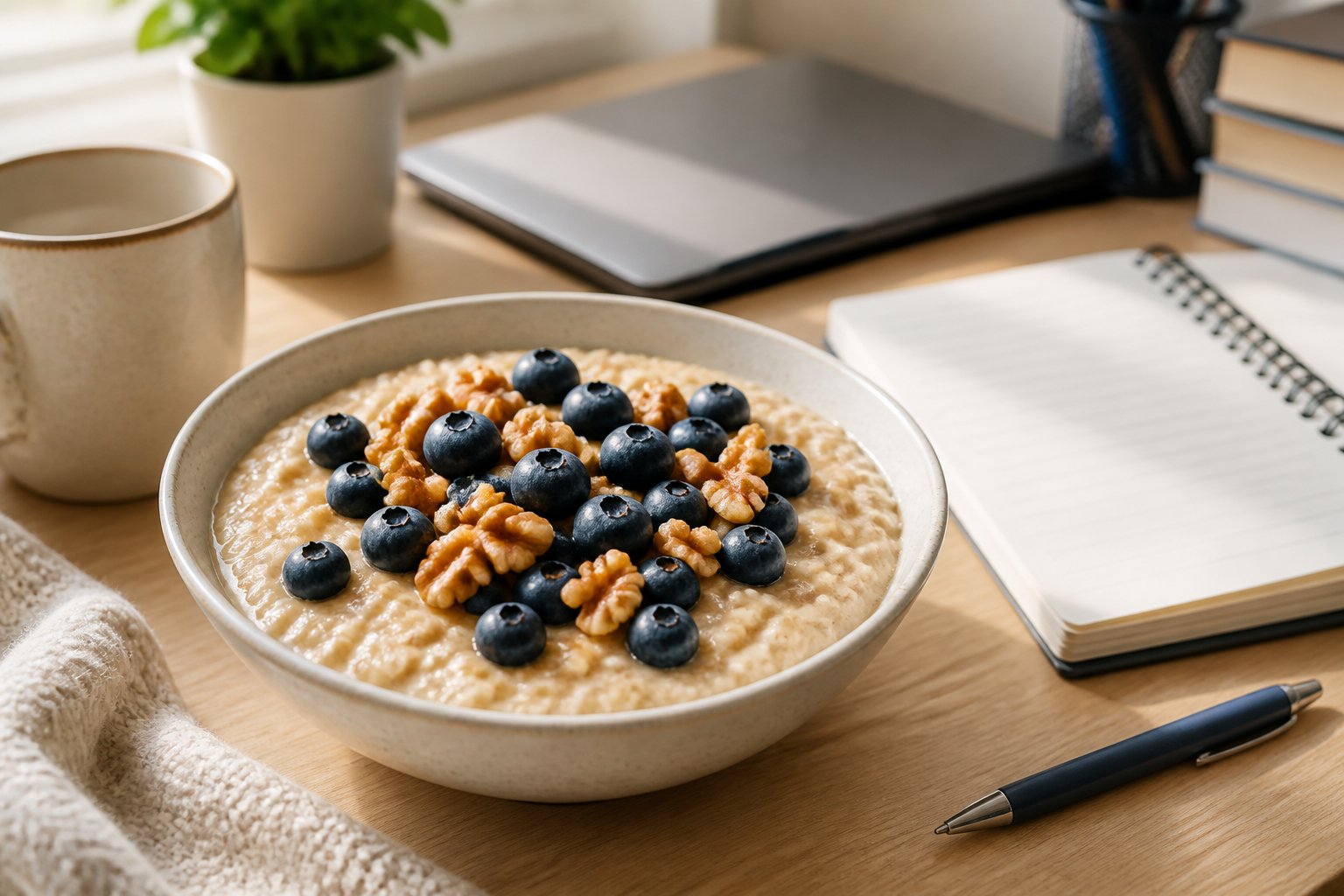
Oatmeal is a classic for a reason. It’s packed with complex carbs and fiber, which means your energy doesn’t spike and crash during those endless study sessions.
Prep it with milk or fortified soy milk for extra protein, then toss on some blueberries and walnuts. Blueberries bring a pop of flavor, fiber, and those anthocyanins that everyone keeps talking about. There’s research linking berries to cognitive health, but let’s be real—one bowl won’t turn you into a genius overnight. Still, it’s a solid breakfast. More details on oatmeal with blueberries and walnuts if you’re curious.
Walnuts add protein, healthy fats, and a little omega-3 kick. A small handful is enough to make the meal more filling without weighing you down.
Stick to plain oats and keep the sugar in check. Cinnamon, Greek yogurt, chia seeds, or sliced banana work well for flavor and extra nutrients—just don’t overthink it.
2) Eggs with whole-grain toast
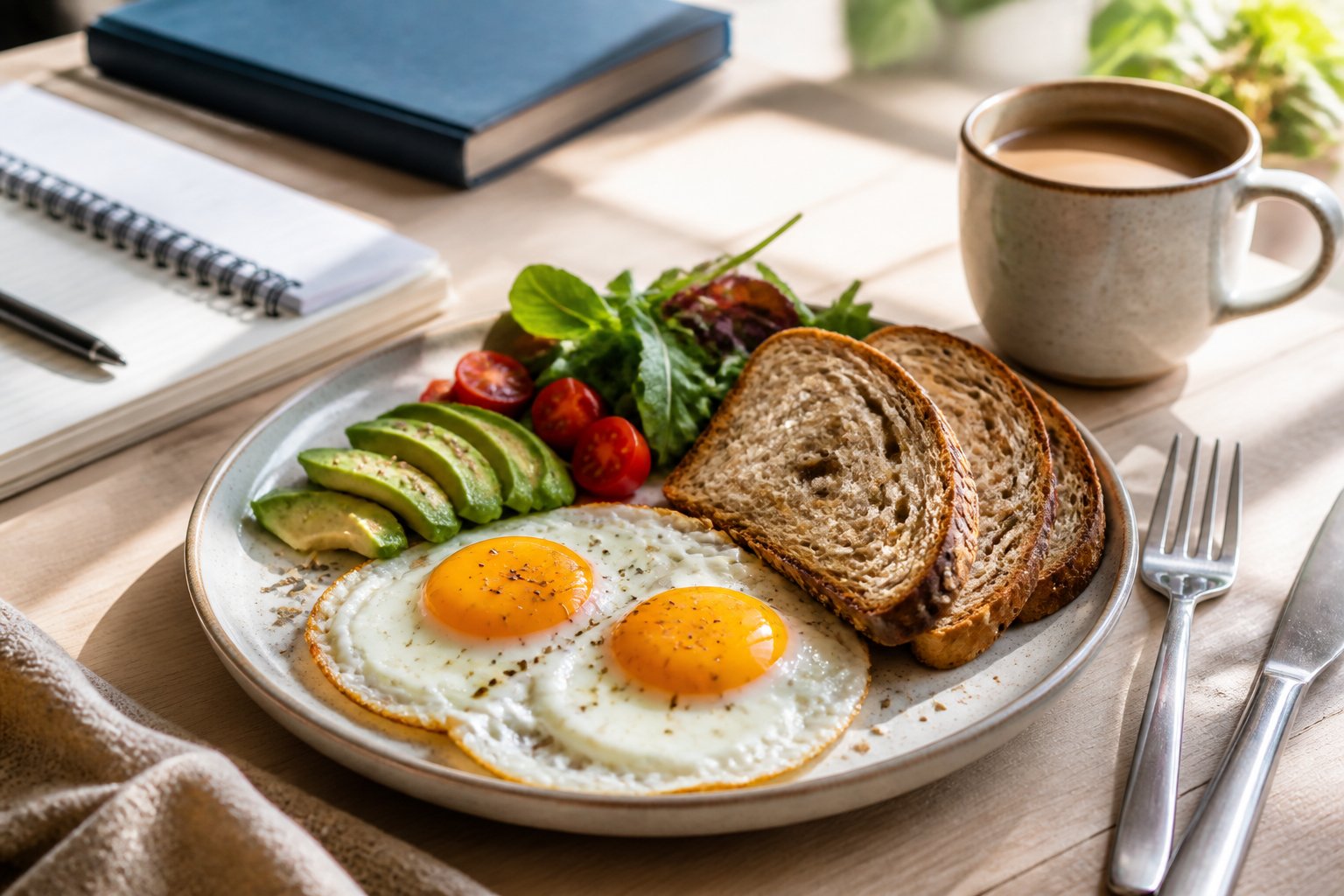
Eggs and whole-grain toast: simple, quick, and balanced. There’s enough protein to keep you full, and whole grains bring the steady carbs you need to avoid that mid-morning slump.
Eggs are a solid source of choline, which is tied to brain and nervous system health, plus B12 and other nutrients. No, they’re not magic for memory, but they’re definitely a good breakfast choice. Research-backed exam breakfast advice also gives a thumbs-up to carb-rich foods like porridge and whole-grain bread.
Add some fruit for fiber and taste, or maybe avocado for those healthy fats. Cook your eggs however you like, be it boiled, poached, scrambled, just don’t go overboard with oil.
If you want more tips, this breakfast guide suggests keeping an eye on portions and skipping overly processed toppings. Oh, and don’t forget water and eat early enough to see how the meal sits with you before heading into an exam.
3) Greek yogurt with berries and chia seeds
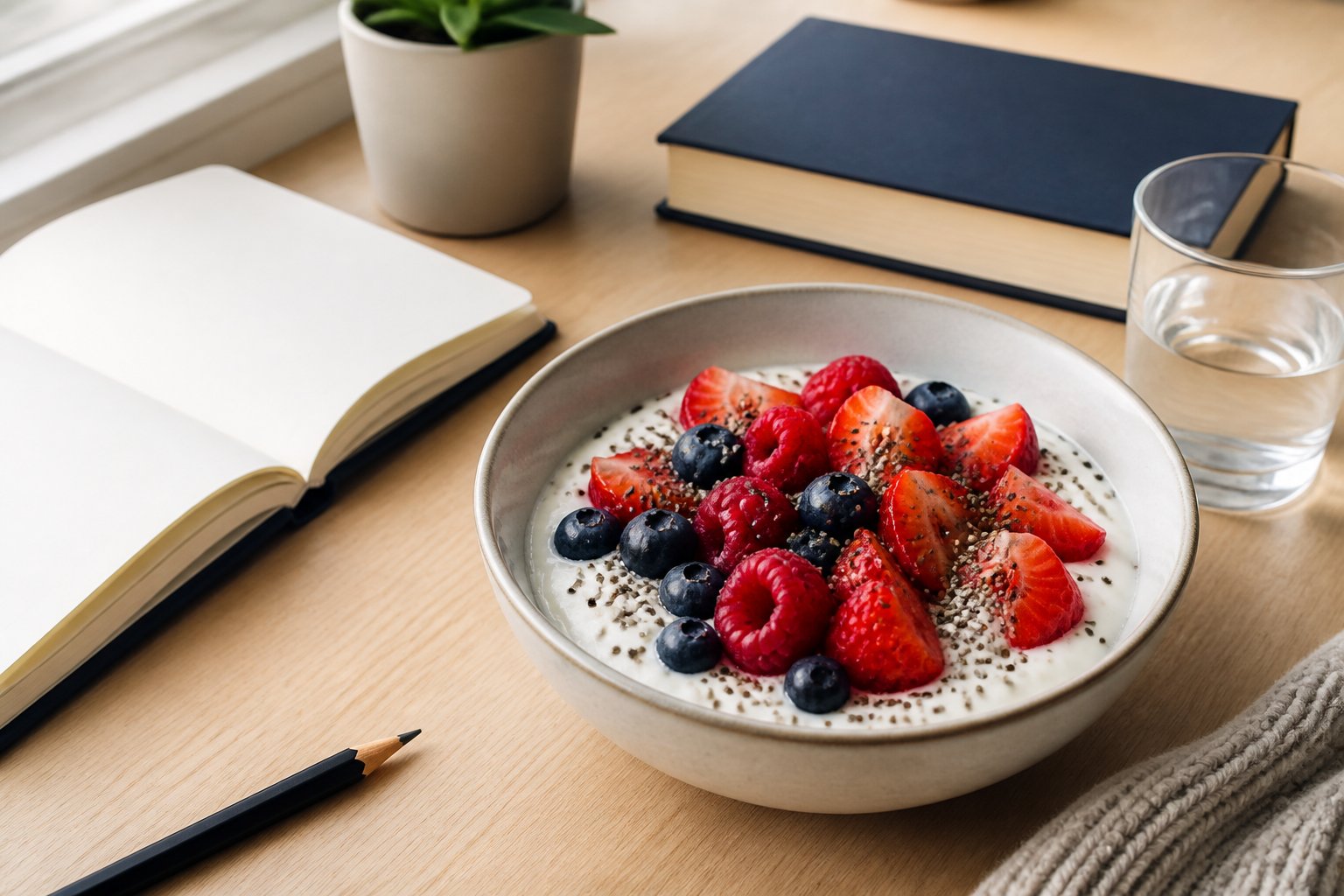
Greek yogurt is one of those “grab-and-go” brain foods. It’s loaded with protein, so you’re less likely to get hungry halfway through your notes. Go for plain, unsweetened yogurt if you can—most flavored ones sneak in way too much sugar.
Berries add natural sweetness, fiber, and a handful of nutrients. Fresh or frozen, it doesn’t really matter. Here’s a breakfast recipe that mixes Greek yogurt, berries, and chia seeds in one bowl.
Chia seeds bring fiber, plant-based omega-3s, and a bit of crunch. Put them all together and you get a snack that’s got protein, carbs, and healthy fat—way better for energy than a sugary pastry. If you’re curious, this nutrition overview breaks it down.
This bowl takes maybe five minutes to throw together. Add some chopped nuts for crunch or a touch of honey if you want it sweeter, just don’t go wild with the sweet stuff.
4) Salmon with leafy greens
Salmon is packed with protein and those famous omega-3s, both linked to healthy brain function. Try pairing baked or grilled salmon with spinach, kale, or whatever leafy green you like for a balanced meal during exams. Fatty fish like salmon, sardines, trout, and mackerel are all good choices.
Leafy greens bring folate, vitamin K, and other good stuff for general health. Toss in a whole-grain side and you’ve got protein, veggies, and slow-release carbs—not a bad combo for keeping your energy up during marathon study days.
If fish isn’t your thing, swap in beans, eggs, tofu, or another protein with your greens. And for the fish-eaters, grilling, baking, or steaming is usually better than deep-frying if you’re trying to keep things light.
How Nutrition Supports Focus And Memory
The brain’s picky—it needs a steady stream of glucose, fluids, and nutrients to keep attention and memory running. Eating balanced meals and drinking enough water can help you avoid those energy dips that make studying way harder than it should be.
The Role Of Steady Blood Sugar
Meals with complex carbs, protein, and fiber release energy slowly, unlike sugary snacks that spike and crash. Oats, beans, whole-grain bread, veggies, eggs, yogurt, and nuts are all solid picks for keeping energy steady.
Skip a meal and you’ll probably get cranky, distracted, and less focused—nobody wants that. Breakfasts like oatmeal with fruit and nuts or eggs with whole-grain toast give you carbs, protein, and fat. Balanced nutrition really can help with focus and energy, especially when you’re deep into study mode.
Try not to go overboard on sweets, sugary drinks, or ultra-processed snacks before studying. They’ll shoot your blood sugar up, then leave you wiped out and hungry again. A snack with protein and fiber—like apple with peanut butter or yogurt with berries—keeps things more even.
Hydration And Cognitive Performance
Even being a little dehydrated can mess with your focus, think thirst, headaches, and fatigue. Keep a water bottle close and sip regularly instead of waiting until you’re parched. Water usually does the trick, though milk adds some protein and nutrients too.
Caffeine can perk you up for a bit, but too much leads to jitters, palpitations, or lousy sleep. And honestly, sleep is huge for learning and memory, so don’t try to power through with energy drinks instead of rest.
Foods with lots of water like oranges, berries, cucumbers, and soups do help with hydration. During long study sessions, just drinking water with meals and taking sips during breaks is usually enough. No need to load up on sweetened drinks. Brain nutrition advice always comes back to fluids and balanced meals.
Building Exam-Season Eating Habits
Matching your meals and snacks to your study schedule can really help keep your concentration steady. Simple prep, balanced ingredients, and remembering to hydrate make it easier to eat well, even when exams are stressing you out.
Timing Meals Around Study Sessions
Try to eat a balanced meal two to three hours before a big study session. Something like oats with yogurt and berries, or brown rice with veggies, beans, and eggs, gives you carbs, protein, and fiber. These are way better for steady energy than a pile of sweets or white bread.
If you’ve got a long gap before your next meal, a small snack helps—think fruit with nut butter, plain yogurt with berries, or whole-grain crackers and hummus. And don’t wait until you’re dying of thirst to drink water. BBC Food’s exam nutrition tips also say to pick foods that keep energy up without making you uncomfortable.
Don’t try new foods on exam day (seriously, now’s not the time). Also, skip huge, heavy meals right before a test—no one wants a stomachache when they’re supposed to be focused.
Balancing Convenience With Nutrition
Convenience foods aren’t all bad if you mix them up with the right stuff, they can absolutely work during exam season. Toss in some fruit, veggies, yogurt, eggs, beans, or nuts, and suddenly that quick meal doesn’t look so bland.
Honestly, something as simple as whole-grain toast with peanut butter and a banana? It barely takes any effort, but you get carbs, fat, and protein all in one go.
For folks who like to prep ahead, there are a few portable options worth considering:
- Unsalted nuts and dried fruit (just keep the portions reasonable)
- Apples, bananas, or maybe some berries
- Greek yogurt—assuming you can keep it cold
- Boiled eggs (they’re surprisingly filling)
- Whole-grain sandwiches with egg, chicken, hummus, or beans—whatever sounds good
- Water in a reusable bottle (because, well, hydration matters)
It’s probably wise to keep an eye on caffeine, especially if coffee or energy drinks start replacing actual meals or messing with your sleep. Exam-season nutrition advice is all about simple, balanced choices that help you focus and keep your energy up, without falling into the sugary snack trap.